
What's growing in my garden
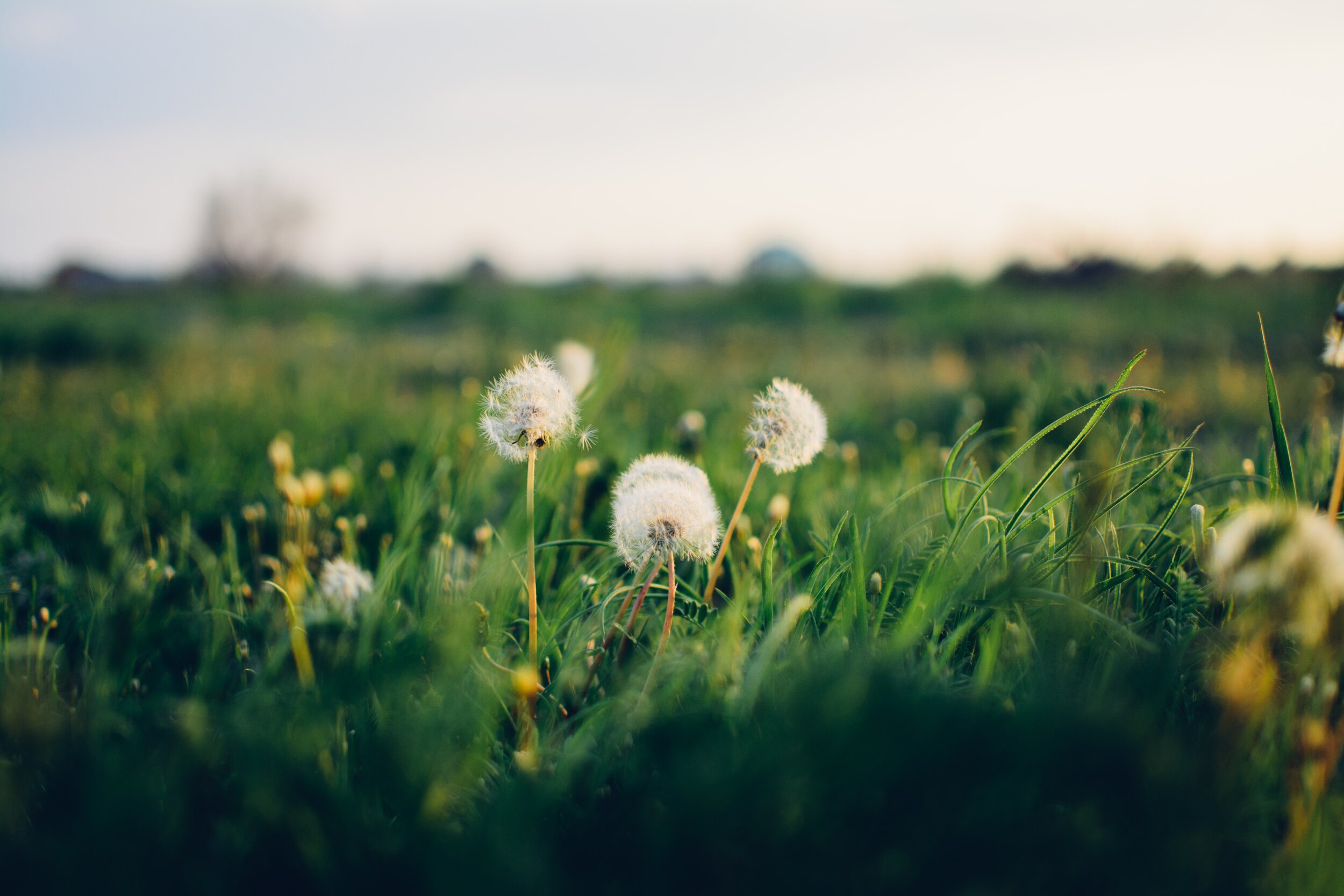
With the weather warming and most parks around us still closed, in recent weeks, I finally turned my attention to our garden. Around our house, we’re fortunate to have a bit of space to tend—to plant, work with our hands, and watch grow. And since moving in, I’ve imagined what could grow in this patch of the city we call ours.
As I began, I realized what was already growing in my garden were weeds. Crawling bindweed, wild violet, and lots of faithful dandelion call our yard home, and uprooting them has proven to be neither a swift task, nor an easy one (at least not for this former condo dweller). They’ve comfortably made their bed here, burrowing deep and wide with their roots, anchoring in and marking their territory. The effort of pulling them out—trying to get at the taproot and tilling the soil by hand—isn’t without resistance. As the weeks pass, I often feel like I’m neither making anything beautiful, nor actually gardening, especially as the other gardens around us flourish in this June heat.
But lately, I’m wondering if this is how God gardens in me. I wonder what he sees of my weeds, stubbornly wedged into inhospitable places, and sprawled like an entitled cat across the front lawn. Does he tire of, or grow impatient with, their deep roots? Does he give up on what could grow in my hardened soil?
With nowhere to go and few people to see, I’ve found the solitude of this season—the art of being alone with myself—surprisingly relieving. Free from our usual social routines, the weeds of people-pleasing and people-fearing start to wither. And with less activity, I can more honestly notice the self-serving nature of my self-forgetfulness, so often disguised as cheerful busyness in service of others.
But entering the twelfth week of self-isolation here at home, I’m wanting to trust—maybe beginning to hope—that what God, as gardener, is doing in me will lead to true flourishing and truer generosity. Author and writer Stephen Batchelor describes the paradox of solitude, saying that as we turn inward, “we become…much more careful and much more caring.” Of his training as a secular monk, Batchelor notes that rather than making him isolated and wary of people, he’s found the opposite to be true.
I’ve found this turning of the soil to be true in my life, also. Where the weeds of shallow relationships once grew, I see the buds of more truthful ones: conversations with a friend about her sexuality and prayers shared with another about wounds within the church. In my own heart, this nudged interiority helps me see more clearly—more honestly—what’s growing here: both the unfavourable and destructive plants, and the rare and beautiful ones God intends for me to nurture.
He’s loosening the grip of the weeds in my soil, making it possible for something new to grow in their place. She is like a tree planted by streams of water that yields its fruit in its season, and its leaf does not wither. “That’s who I’m preparing you to be,” he hums as he does this. He is unhurried and patient.
My Gardener knows the necessity of this work, even when I doubt, even as I envy the blooming daffodils of my neighbour and the blossoming Sakura tree I see on my evening bike rides. Even as I wish my own spiritual pruning were quicker and less messy.
And so, these days, I’m learning to weed along with him, trusting that this work is a necessary part of making beautiful—in my garden, as well as in my soul.
Text: Season Kam