
Welcoming Myself Home
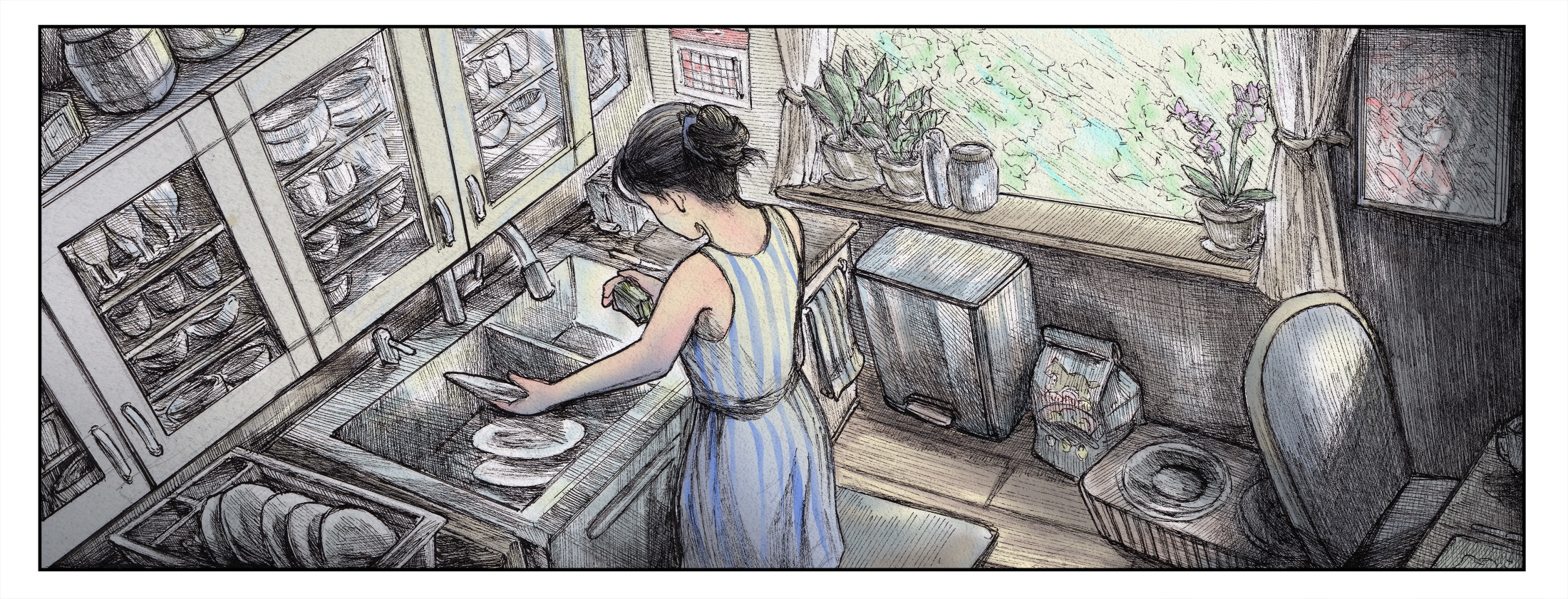
We recently bought a house, and amidst the chaos of unpacking and settling into this new home I have been met with the most unexpected of gifts. In the few months we’ve lived here, a pervasive nostalgia has come to live alongside me. Almost daily I find myself standing at the kitchen sink and turning into the essence of my childhood home. The layout for the main portion of our house almost perfectly matches the home of my childhood—a detail that went unnoticed in the buying process but one that has compounded the longer I live here. It’s a detail that takes my breath away and brings me back to the place and people that made me.
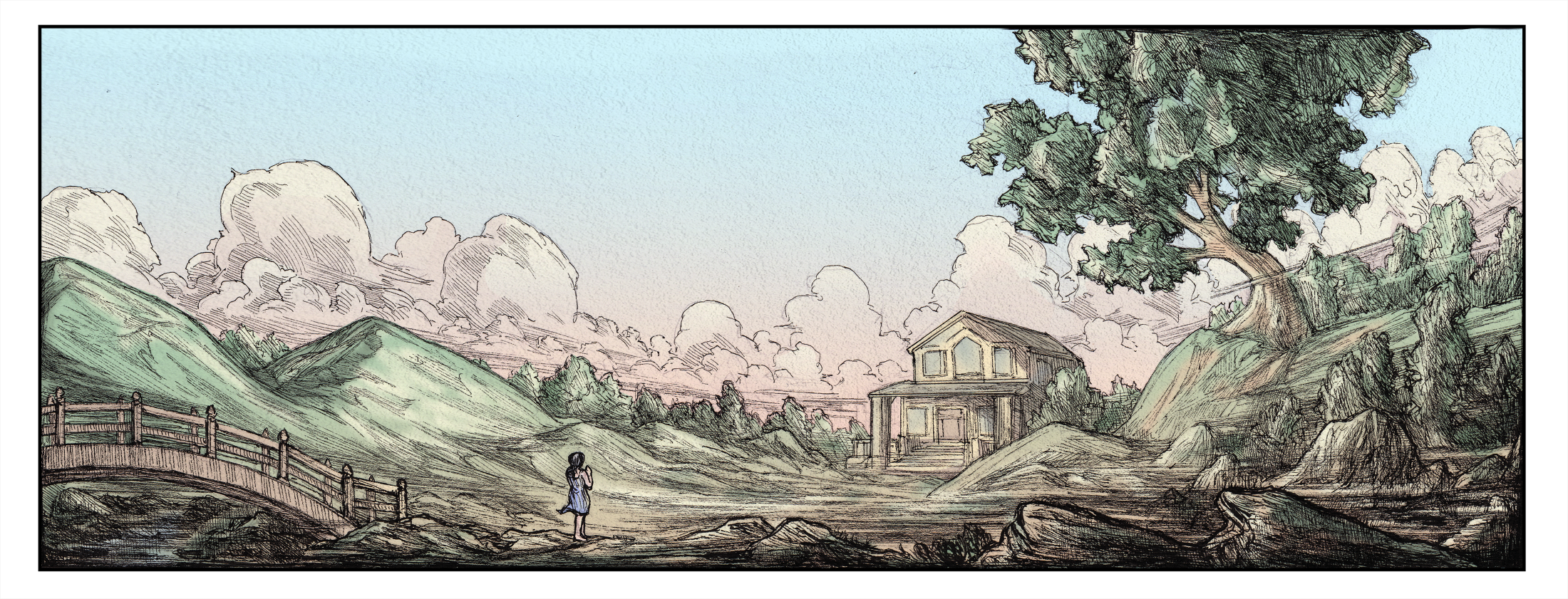
I haven’t seen my childhood home in almost twenty years. It rests on a mountainside in northern Mexico empty and abandoned from years of warring cartels. My dad built the house with the intent of building a church within its walls, and he saw that vision through. Every time I turn from my kitchen sink, I turn and see in my mind’s eye a house full of humble people meeting on a Sunday afternoon. A paralytic named Lucci is on the left; Elena, the sweetest of grandmothers, in center; Julio, an alcoholic struggling towards sobriety, sits in the back; and Beto, a drug lord turned pastor, stands in front sharing his newest revelation. And eleven-year-old me stands leaning against the kitchen sink, making sure I don’t confine myself to a chair for the hours long church service.
As antsy as I always was for services to end, the power of those people being born into the Church never left me. I lived in that house for two years before I was sent off to boarding school, yet I find the beauty and rawness of the lives inside those church walls still speaking to me year after year. Lucci sits with me in my closet as I grab something to wear, always reminding me of the abundance I live in, and my soul bows to the memory of her as I choose contentment. Beto’s voice lives loud and clear in my head, always starting his sentences with, “The way I see it ….” And I strive to see this temporal life through his eyes—a man who lost his entire world: homes and ranches, family members and business, his church and town. He points me, always, to the only kingdom that matters. And the life of my father comes and settles in beside me when I begin to think my time is my own and something to be hoarded. He was the son of a millionaire who left his family’s wealth so that a small group of people might know the hope of a Savior. And again, I am reminded that generosity comes in all forms. The visceral imprint of my childhood home in my daily living space has only amplified those voices, and I welcome them wholeheartedly.
My favorite room in our new house is the small library we had built when we moved in. I hung a picture of Beto and my dad there. My daughter thinks it’s odd, and said she won’t be hanging pictures of me and my best friend in her home when she grows up. I laughed and said that’s fair, and left the picture where it hung. As I unpacked box after box of books, I set aside a small stack of titles to read, one of them being Can You Drink The Cup? by Henri Nouwen. The book moves through all the stages of taking the eucharist cup and likens them to holding, accepting, and drinking all that life has to offer us. One particular story in the book stood out to me in a way that made the whole book worth my time. Nouwen recounts a hospital visit to his dear friend, Trevor. His friend was from the L’Arche Daybreak community of men and women with intellectual disabilities—a community that deeply formed Nouwen’s spiritual life as he pastored there. It’s an aspect of Nouwen’s life with which I’ve always felt connected, a small, underestimated community that makes a lasting imprint on the human heart. The story goes that as Nouwen planned to visit Trevor in the hospital, a group of community leaders and priests from the surrounding area requested to have lunch with Nouwen while he was in town. Nouwen obliged, but upon arriving at the hospital he realized that his visit with Trevor had been co-opted by the large group of leaders standing in the hospital lobby waiting for their honored guest. Trevor was nowhere to be seen and, as a hospital patient, was unwelcome at the luncheon. Nouwen graciously navigated the compromised visit by insisting he had come to have lunch with Trevor, and the other attendees were welcome to join him if they desired. Left with no other option, the community leaders quickly invited Trevor to their catered meal. Nouwen’s story ends with Trevor standing during lunch holding a toast that brings the whole room together in unity. As I read the story, I sat and marveled at the grace Nouwen possessed to hold two seemingly contradictory things in one moment and resist rejecting either—his point to Can You Drink The Cup?
While I embrace the memory and voices of a small church in the mountains of Mexico, I feel equally at odds with the other places and people of my childhood that shaped me as well. Boarding school, while an antiquated form of education, found its way into my childhood and into the person I am today. This outdated mode of education carried with it outdated religious ideals where our teachers never forgot to remind us that we were the biggest threat to our parents’ ministry and we had better stay out of the way. Mental health and the well-being of children weren’t things that were believed in those hallways, and I and the rest of the children there found ourselves left very much to our own devices.
Those years of spiritual abuse and neglect find their ways into my present life as well. They come into my home and goad my parenting, asking if I even know what it looks like to parent after the age of twelve. I don’t, but I try. My principal’s constant rebukes make their way into my church causing my hands to shake any time the pastor comes my way. Am I safe here? I’m never quite sure, but I stay. These voices rest in the cynicism of my own heart and mind, promising me that the religious systems and modern Christianity have no depth and carry no weight. And I believe them, until I don’t. Because a small church in the mountains of Mexico found a way to live in my heart in a way that overcomes the abusive voices in my mind.
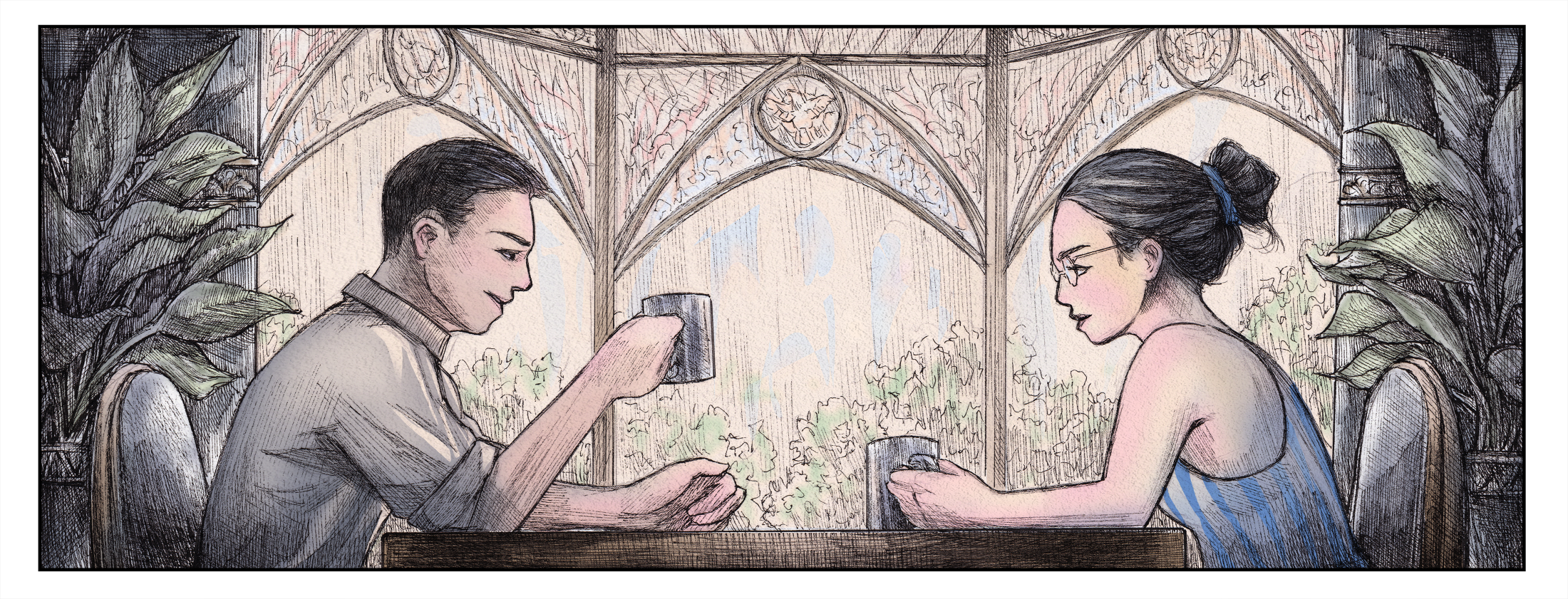
For so long I didn’t know how to grapple with the love and impact I felt for that small local church all the while holding a deep distrust and disappointment in institutionalized Christianity. And yet, I cannot escape that both made and formed who I am today. Both reside within me in complicated ways, in equal measures of good and bad. Nouwen’s story challenges my own double mindedness in what and who I accept and reject and what parts of myself I’m willing to receive. And more importantly, he shows me a better way. He anchored himself in who he was and his very real friendship with Trevor, and then invited everyone else to his table, requiring that their prejudices and ill-mannered voices be laid to rest. Can we hold all of our life in one cup and drink it together, wholeheartedly? Can we invite both good and bad to the table to share a meal, but allow that which we hold dearest to give a toast and have the last say?
As I stand at my kitchen sink washing dishes, I feel the pull of that raised glass. A toast to the first little church whose truth has remained with me all these years and kept me. While their voices weren’t the loudest, they remained the closest to my heart and mind, and there they were allowed to become the most important. I never imagined the homecoming moving into this new house would bring me. But I welcome it. I welcome the new and old feelings of home. I welcome the glimpse of integrated wholeness. And I raise my glass to the version of myself that stands at the kitchen sink embracing all that I’ve become.
Text: Kelly Anne Meagher
Art: Aaron Sun