
Searching for Community at the Yonge Street Mission
Katie Cooper interviews Arleen Gomez about the organization’s efforts to serve the homeless during the pandemic.
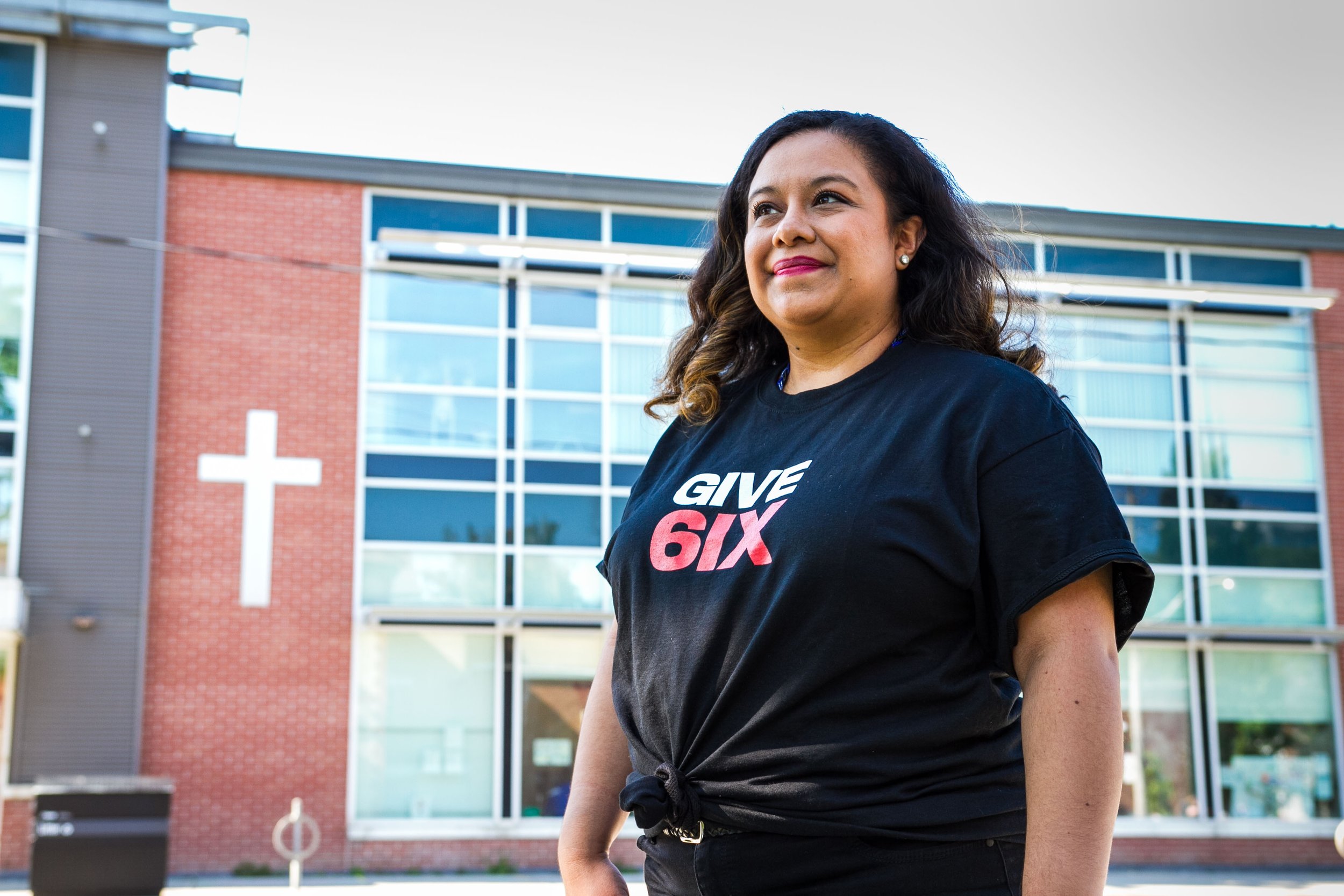
To this day, we are still grappling with the long-term ramifications of the COVID-19 pandemic. While most people adjusted to working remotely and endured isolation from friends and family, others were more severely affected by the change in social dynamics and accessibility. For the most vulnerable of our city, barriers that were previously in place only became taller, more rigid. As Christians, we cannot turn a blind eye.
One woman who has been actively engaged in work with this hard-hit sector is Arleen Gomez. Gomez has been working at the Yonge Street Mission (YSM) in the Regent Park neighborhood for six years and currently serves as a care management specialist. We spoke with Ms. Gomez via Zoom in June of 2021, to better understand the effects of the pandemic on Toronto’s homeless population. With a background in counselling and psychotherapy and a desire to help the city’s vulnerable, she is part of a mission to eradicate chronic poverty in one generation.
The following interview has been lightly edited for publication purposes.
Hello, Arleen! Tell us about the population you serve at YSM.
I work for Community Support Services at YSM, serving people from 18 to 60 years old. There are two parts to the Community Support Service: church at the Mission and the adult program, Bridges. I focus on care management with Bridges, and I’m also a volunteer pastor at the church. We work with community members who are most likely in a generational cycle of poverty, whether they are Canadians who have been here for many years, or those who are newly arrived. Many of our community members have grown up in the system, whether it’s in foster care, a mental health institution, or even in the legal system. It’s not uncommon for their children and grandchildren to be in the system, too.
The newest demographic I am working with are the children of newly arrived immigrants. Falling through the gaps and not getting help for needs can create a new cycle of chronic poverty. Some of the individuals we serve think they will be on social assistance for the rest of their lives. It has become a way of life for many. What we want to do is let them know there is another option—that it’s possible to break this cycle. It's beautiful.
How has your role changed during this unparalleled season?
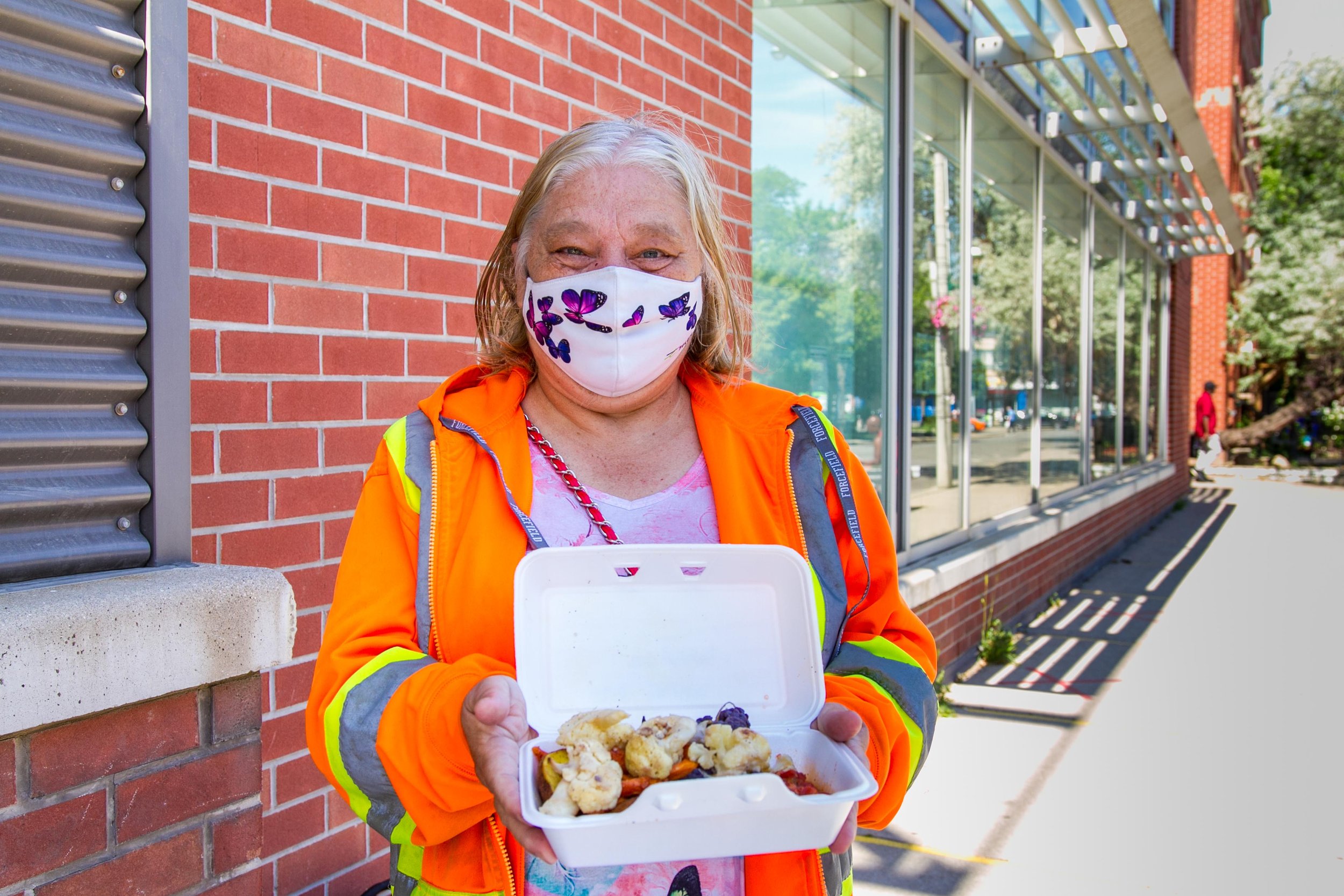
Pre-COVID, we used to do meals, workshops and classes in person, all in one day! Obviously, during COVID, we haven’t been able to do that. Instead, we offer to-go meals twice a week, and that’s where I see most of the community. I invite them to grab a meal, and we can have a distanced, in-person interaction.
It was really difficult at the beginning of the pandemic because some of the older community members we work with didn’t have access to Wi-Fi or a phone. Some of them also don’t have the technical skills to navigate the Internet. It was quite a few months where we went without seeing some people, and this forced us to get creative. For instance, I started sending one woman letters with a stamp and an envelope so that she could write to me. And she did! We also gave out kits with handouts and activities they could do to relax, like colouring and painting.
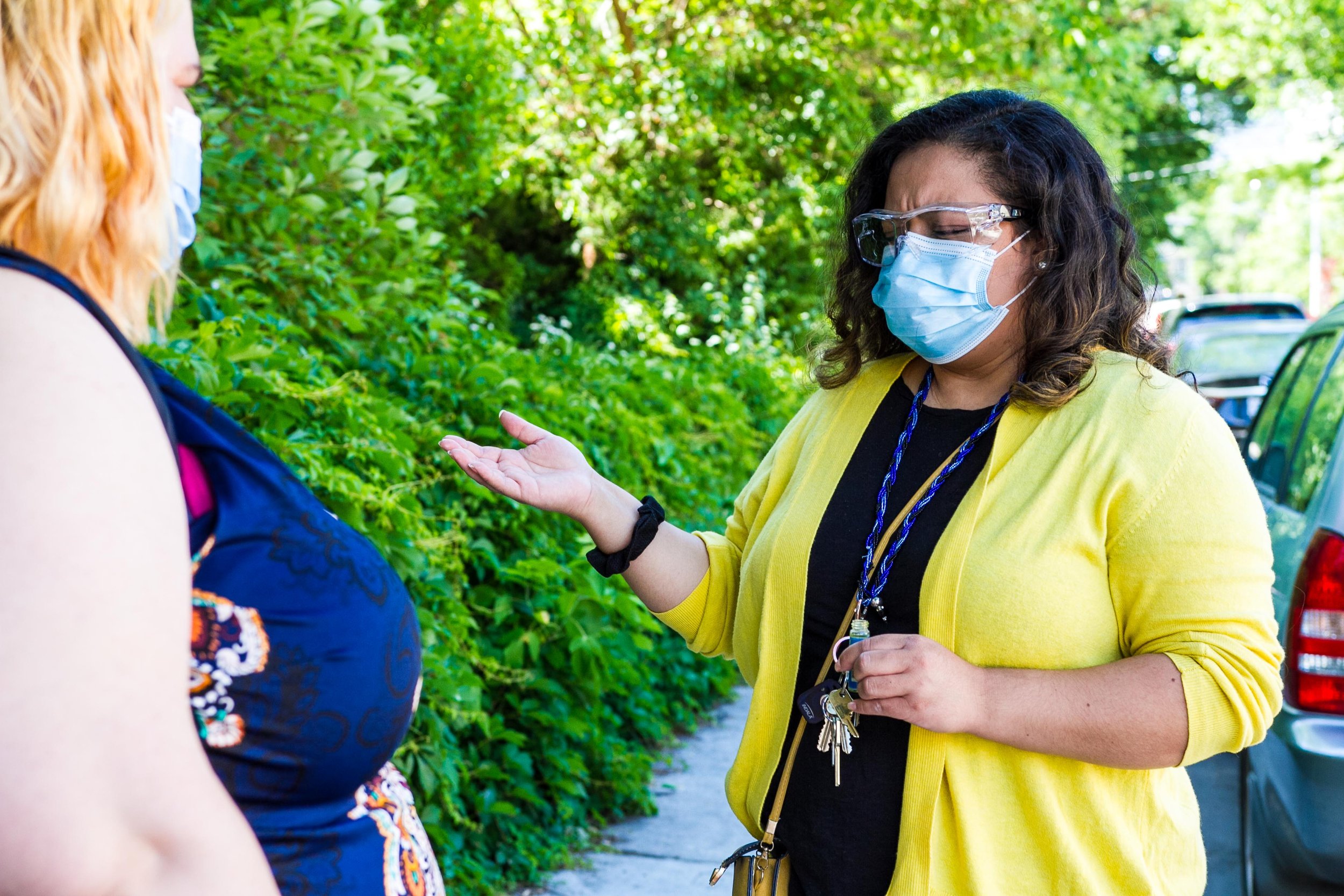
Another meaningful approach we implemented was visiting members who had been absent from the online programming or the to-go meals. We pursued them in an effort to reconnect with them. We met outside their building and gave them a treat bag just to say, “We love you, we remember you, and we can’t wait to worship in-person again with you.” We want them to know they are important, they belong, and they are so valued by God and by us. This may not be a message that they hear often.
How has the pandemic affected this community in particular ways?
It’s not easy for this community because all of the support systems that most people have for healthy coping—primarily community and family—they lack. These are people who are very lonely and very limited. The only community they have they currently can’t see because all of the programming is closed. Our community members can also have mental health challenges like depression, anxiety, and bipolar disorder in addition to their trauma. Previously, they were learning healthy coping mechanisms with our workshops and classes, and when COVID hit, they really had to put that knowledge into action. Some people were able to, and some were not. It’s been a journey of ups and downs.
What have you learned about community through the people you serve?
The universal thing that brings people together is food. At the beginning of the pandemic, we used to get a maximum of 50 people in the meals lineup, but that has grown to 100-200 people per to-go meal. These meals may be the only times community members see each other and one of the only times they go outside. A lot of them are single and live in an apartment by themselves. I’ve really seen how big of a blessing it is to offer people a place to go, to get what they need, and to see others face-to-face. They can connect with staff, and we can pray with them. There have been so many spontaneous prayers at the to-go meals.
God created us to have community, and we know that the Trinity is divine community. God has created us in his image, so we are all searching for that community and togetherness.
What have been some blessings during this time?
Initially, there were a lot of moments of frustration for me. However, once we started to receive help from our community, that was a blessing. The Toronto Public Library provided us with Wi-Fi units that people could borrow. Telus gave us phones that came with a free plan. Chick-fil-A gave us sandwiches weekly for our community. It was so generous and so wonderful. That was a blessing to see different communities and organizations of Toronto coming together.
What are some misconceptions about this population?
What I’ve learned from this community is that they have been through so much trauma in their lives. They have many layers of pain from the injustices they live through. Sometimes this begins in early childhood and carries right through until their adulthood. And these injustices can be every day. Sometimes when I accompany them to an appointment, I see how they’re being looked at and how they are approached by police officers and security guards. We have no idea the continuous trauma that they go through, sometimes even in the Church.
If we can better understand people who are traumatized, we can be more compassionate and patient. At YSM, we don’t want to be in members’ lives forever. Our hope is to open their eyes to the community that exists in our city. The problem is, even if we teach them how to be in community with others, the wider demographic still doesn’t know how to be in community with them.
As a more general question, what are your thoughts about giving money to those on the streets?
I know this is controversial, and I have been on both sides. My approach may change in the future, but now I think if you have money, give it to them. They will do anything to feed their addiction, and you can probably save them from selling or hurting themselves and creating more trauma. I would say to follow whatever you feel the Lord is leading you to do in that moment. If you feel like you want to buy them coffee or you have $2 to give them, do that. Just like the Scriptures say, “Do not withhold good from those to whom it is due, when it is in your power to do it,” (Proverbs 3:27).
Any final thoughts on practically serving this community?
Mercy, justice and compassion are a way of life for the Christian. The widow and the orphan of the Old Testament are the vulnerable, poor and traumatized of our day. If you feel moved to serve them, you can begin with a smile and a wave to those panhandling. Pray when you pass those staying on the street for the Lord to bless, protect and provide for them. Let his Spirit move you to love them the way you feel led. It’s an honour to work with this population. I believe they are near and dear to the heart of God.
Check out ways to serve at ysm.ca/volunteer. You can also help someone struggling in Toronto by joining at GIVE6IX.ca
Text & Photography: Katie Cooper