
(Not) Coming of Age?
One millennial explores the complications of adulthood for himself and some of his peers.
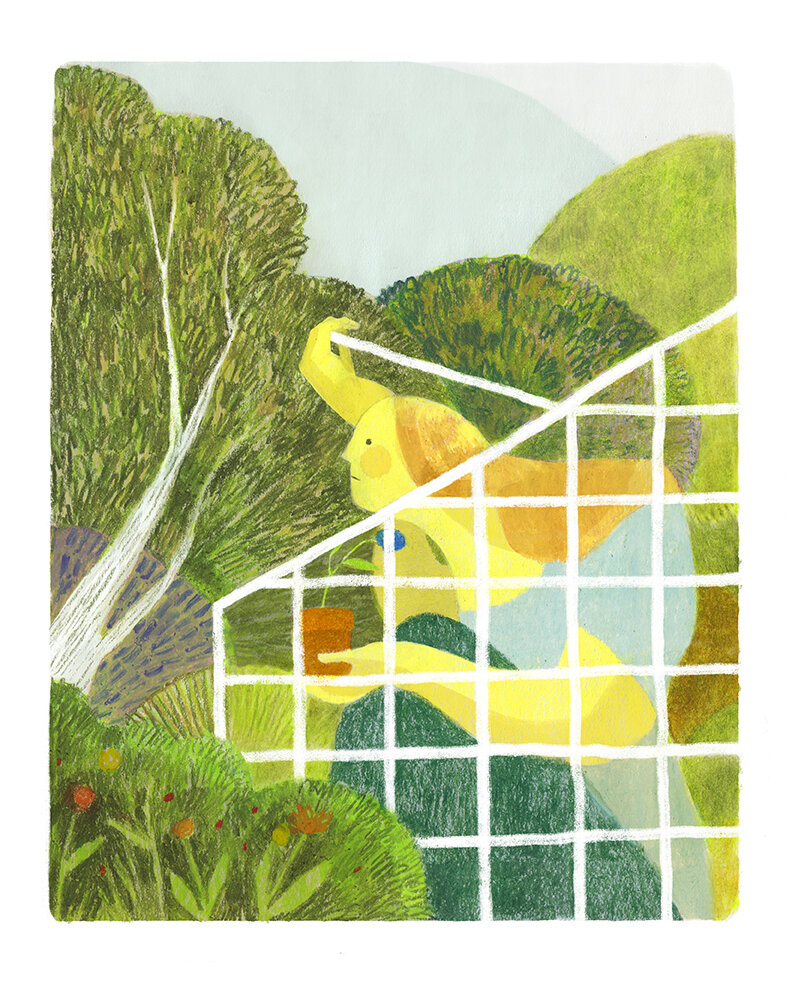
My parents were so hard working. So determined. Everything that they wanted to get done, almost always got done ... Most decisions as an adult, I thought, “I’m never going to be able to make those.” I really enjoyed being a kid, and I really didn’t want to become an adult, if I’m being 100% honest. If I could be 17 for the rest of my life, that would be fine. —Daryl, 28
The term “millennial” applies to someone who reached adulthood in the early 21st century. More technically, the term commonly refers to anyone born between 1981 and 1996. Often, however, “millennial” is used by people expressing dis- satisfaction with young adults today—or perhaps explaining why avocado toast has suddenly grown in popularity.
In 2019, a study by the Organisation of Economic Co-operation and Development showed that millennials have been reaching middle-class status at alarmingly low rates. In their statement, young adults today look “increasingly like a boat in rocky waters.” Only 46% of millennials are married today compared to 67% of Baby Boomers of the same age (between 25–37 years old). Another study shows that over 30% of young adults are living at home with their parents, the highest level since the Great Depression. These findings are among countless statistics showing how millennials are reaching “adulthood” later than previous generations.
For the generation who came of age during the downturn of 2008–2009, the sense of economic precariousness has informed the differences between the lives they lead and the lives their parents and grandparents led. Securing a stable job and affording decent housing are not the inevitable markers of adulthood that they once were, especially not in Toronto where the average house costs upwards of $800,000.
As a millennial, I’ve seen these generational differences firsthand, and I’ve wanted to understand them. When I was growing up, I used to think my parents made choices so decisively. They moved to a foreign country on their own, overcame language barriers, and built thriving careers, all while raising three kids. At the time, I couldn’t understand how my parents accomplished everything they did. I just assumed that, as an adult, I would figure it all out like they had. Today, I am older than my parents were when they made those decisions, and yet, I am still allergic to the idea of responsibility.
My experiences are hardly unique. Many young people seem like they’re “waiting” to grow up. We find ourselves in a state where we are neither adolescent nor adult. Although we are excited about all the options available for us to explore, at the same time, we are anxious for what the future holds.
What’s holding us back? Do we know something that our parents didn’t, or are we getting stuck? I asked other millennials to share their thoughts and experiences on growing up. These were some of their responses:
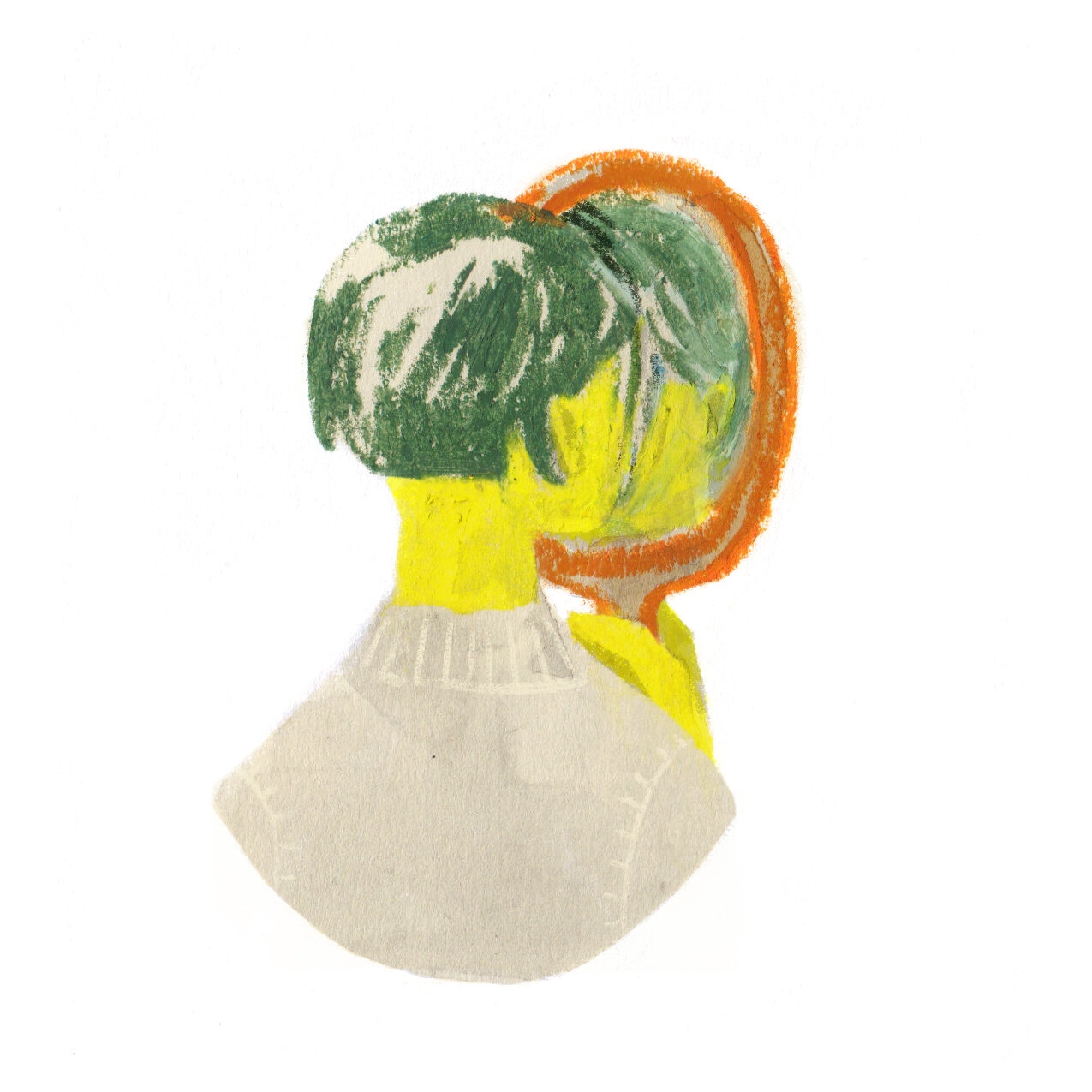
MAYBE WE’RE TOO FOCUSED ON OURSELVES.
After I graduated, I felt like I had financial stability, but I didn’t feel like I was emotionally independent at all. I felt like I tried to work a lot on the outside so that I fit [into] the definition of adulthood. But emotionally I was very immature. —Cherry, 28
Calling millennials “entitled” has now become a bit of a cliché. For example, Time released a cover story on millennials in 2013 titled the “Me Me Me Generation” and though it’s hard to admit, they had a point. Compared to our predecessors, we are more educated and we have access to better technology. We should be excited and yet, for some reason, we still want more.
Among my peers, I’ve noticed that this kind of self-obsession manifests itself in a variety of ways. We can easily get caught up in our careers, our appearance, or our worth on social media to the point where it becomes our sole focus. While it’s certainly important to take care of ourselves, these pursuits don’t teach us how to treat the people that we love, and they especially don’t teach us what it means to be a good spouse or parent.
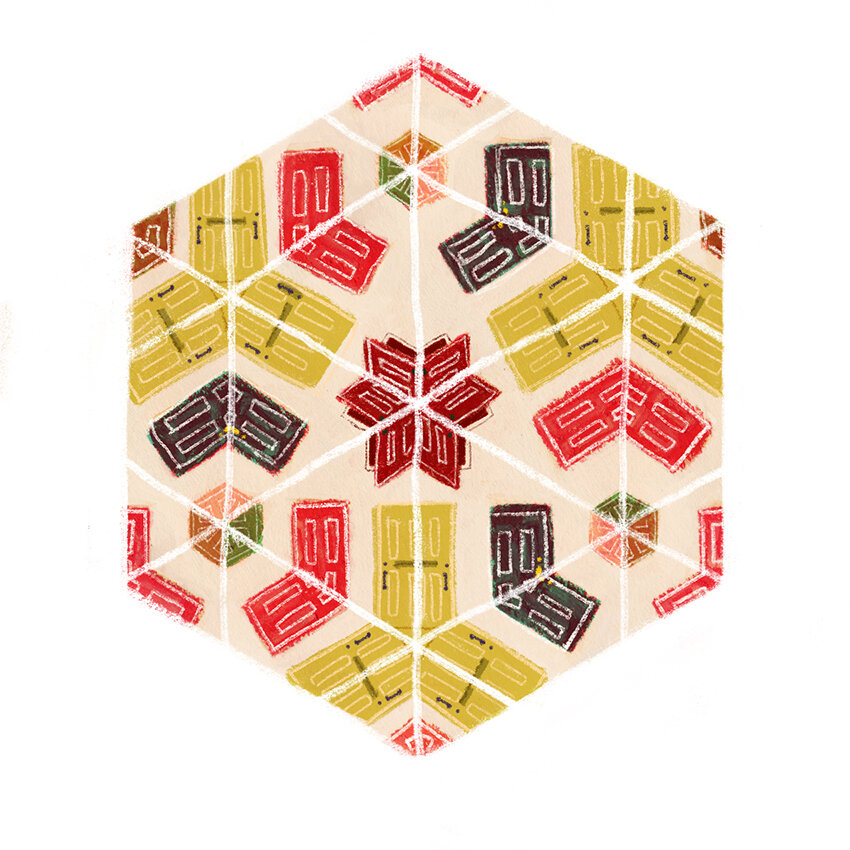
MAYBE WE HAVE TOO MANY CHOICES.
I find it very confusing, and I’m very conflicted. It used to seem that there was a clear or traditional path, but now I feel as though there are so many options. Women have come up to me and said, “You are a strong independent woman. You don’t have to have kids if you don’t want to.” But I want to. This leaves me feeling a little bit worried that, by having a family, I don’t appreciate the empowerment that I’ve received. —Tanya, 27
Today’s world looks very different from the world that our parents lived in during their twenties. Long-held beliefs about love, career and spirituality have all been modernized through technology and social movement. Post-secondary education has now become an expectation, rather than a choice for the privileged few. Online dating apps like Tinder have allowed for greater experimentation. Careers that didn’t even exist a few decades ago, from social media manager to product managers, beckon us with a myriad of opportunities.
There is no doubt that these options are great, but how do we choose the ones that are best for us? We may receive sup- port from our family and friends, but ultimately, they cannot decide what we ought to do. With so many choices, we’re often left to figure it all out on our own, and that can be a paralyzing process. Every choice offers both the prospect of joy and the fear of missing out.
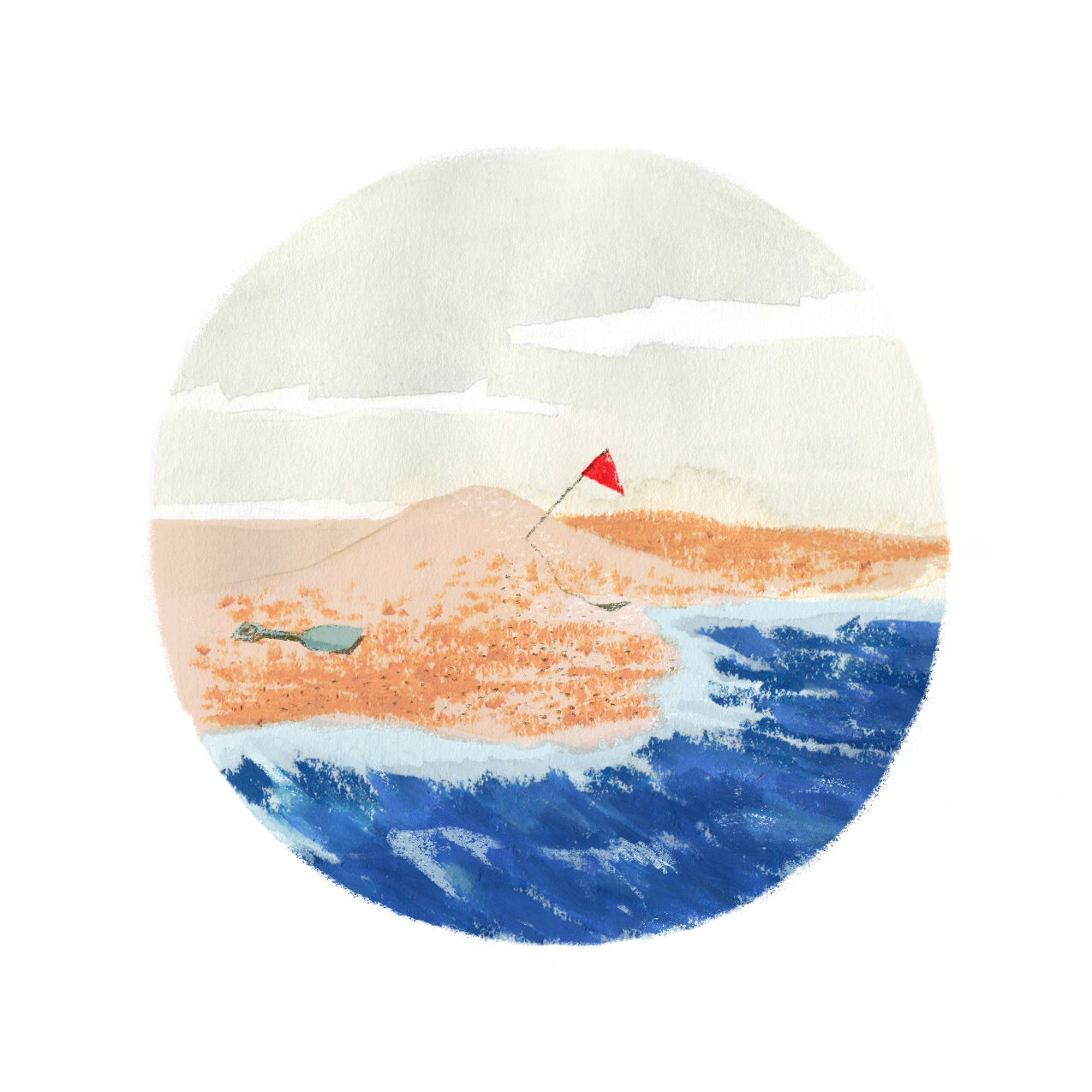
MAYBE WE’RE TOO BUSY CHASING HAPPINESS.
I sometimes find that there’s a resistance from people in my age group to move forward in adulthood, and there’s more of a culture to be young and carefree forever. It's not surprising that some people view “adulting” as an anxiety-inducing experience. —Fey, 29
You see it in ads. Each time Coca-Cola shows an ad, it says “live in the moment” or “live in the now.” They never say “live for five years from now.” —Daryl, 28
Maximizing happiness is a strategy that many of us employ today, and it’s not hard to see why. Culturally, there are outlets that cater to nearly every interest. Whether it be video games, food, music, movies, travel, there is a market that will offer it to you. Sadly, maximum happiness achieved this way doesn’t quite last. Eventually, our interest in “things” runs out, and we’re left searching for something else to occupy ourselves.
Compared to us, immediate happiness appears to have been less important to the older generations. My most vivid memories of my parents were of the sacrifices they made in view of the future. They worked hard to put us through school and spent most of their earnings on us. Happiness felt more like a by-product of their hard work (should they be lucky enough to earn it), but it was never guaranteed.
SHOULD WE BE WORRIED THAT MILLENNIALS ARE NOT GROWING UP?
There is not a clear path anymore. Before, everyone used to do the same thing, but not anymore. Things are getting done later. —Marian, 25
There are people who are never going to achieve what we would consider “adult” milestones. Some people are never going to get married or have children. But counting the blessings in your own life really helps with not becoming envious of other people. Personally, that’s helped a lot. It’s realizing that you have a set plan, and [that set plan] is not for everyone. If [God] wants you to have children, he will give you children. But [we can’t] necessarily expect that those things will happen. —Rebecca, 30
Millennials may be taking longer to grow up, but we’re facing so many more options than previous generations. If taking the time to experiment means that we miss some of the traditional adult milestones, then perhaps that’s still a valuable path that many of us will take.
Nevertheless, let’s not lose sight of the importance of responsibility. Our parents could have shied away from their responsibilities to their family, but instead they embraced them head-on and discovered who they truly were. The greater the challenge they took on, the greater their reward. Maybe that’s why perseverance, more than happiness, is a major theme in the Bible and other religious texts.
In Romans, Paul explains that “tribulation brings about perseverance; and perseverance, proven character; and proven character, hope; and hope does not disappoint, because the love of God has been poured out within our hearts”.This verse is profound for me in two ways: there is power in our struggle, and there is also a purpose for it.
Adulthood is not the goal. The goal is character, and through character, hope. If we are hesitant or afraid to face the challenges that will come our way (or to give up what we think we might be losing by making certain choices), here’s a call from God to bravely face our struggles—even the uncertainty of growing up.
Text: Alvin Chiang
Artwork: Dorothy Leung