
Next-Door Neighbour
My experience during the pandemic taught me to see my homeless neighbours and acknowledge the reality of their lives–and our responsibility to respond.
“I want to be friends,” Graham earnestly says to me. “I’m not like that, you know, because you have a husband. Just we could have lunch sometimes, coffee together.”
On a particularly humid day last summer, I set out to do my most monotonous errands in High Park Village in Toronto, Ontario. I’d felt blah for many months. The pandemic, still fraught with uncertainty. I hadn’t gotten COVID yet, and felt a constant undercurrent of trepidation in what to expect, despite injecting myself three times with foreign substances. The daily vacillation between ennui and joy, in being released from normal societal obligations and pressures. The well-worn tracks I’d made through every square inch of my neighbourhood.
After two years of pandemic restrictions (counted by 730 daily walks) I became acutely aware of the diversity of people I’d see on these outings. I was humbled by how limited my perspective on life had been pre-pandemic, now unable to avoid the growing socioeconomic disparities happening within my own community.
I can’t remember how Graham and I began chatting. He used to sit on one of two benches on the north side of the street, near the shops that were still open or had just recently opened, that hadn’t been shuttered due to the pandemic. Most of these high-end stores sold cannabis, condos, coffee, and an exclusionary lifestyle that seemed oblivious to those in the city who were suffering, and how their number was increasing every day. Graham was gentrification’s enemy: elderly, frail, scruffy. He was real. He was unchanging. He had a child-likeness about him, and I felt compelled to talk to him.
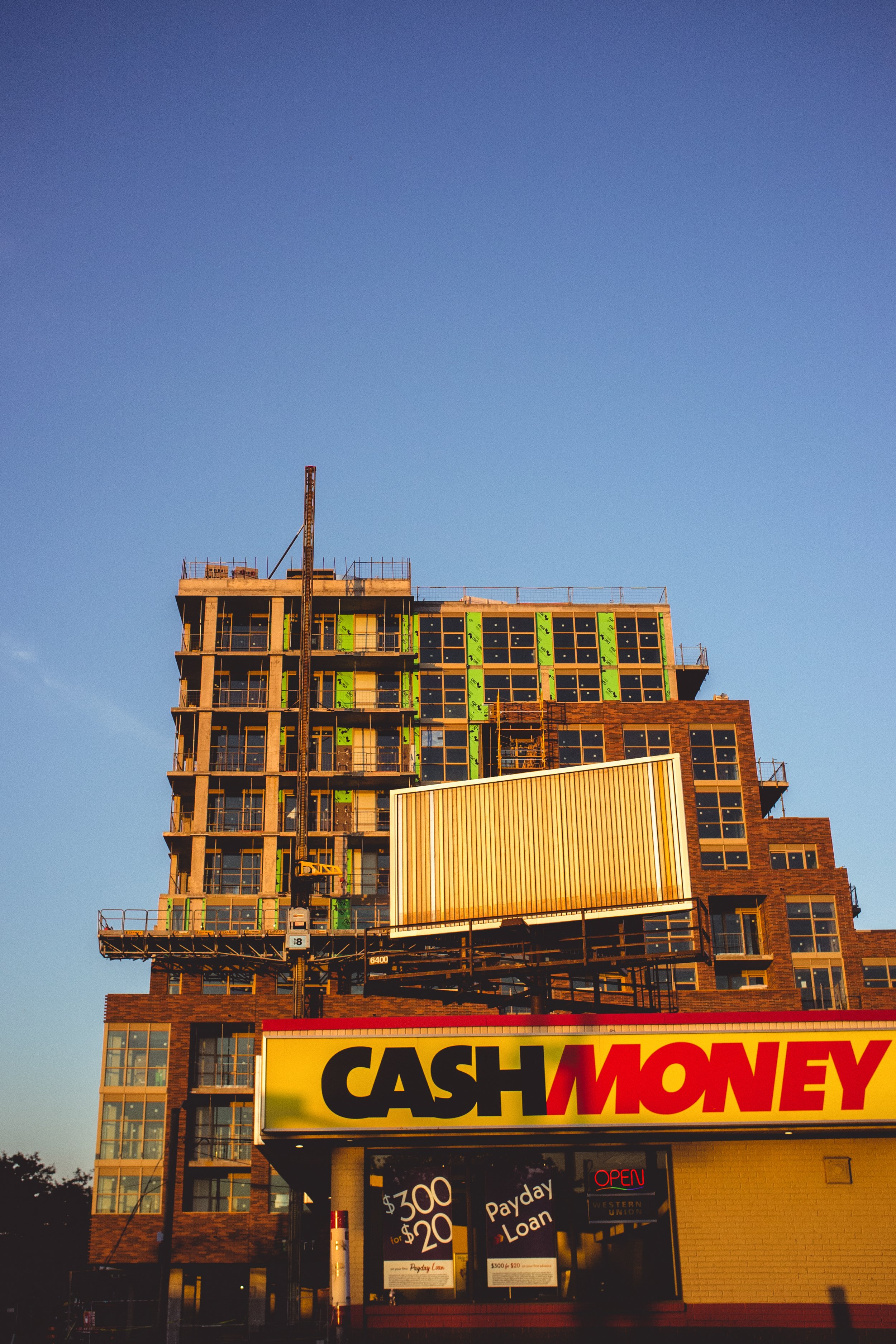
In the beginning, Graham didn’t beg. It wasn’t a pride thing—he said he recognized he was in this situation due to his intentional decision to leave public housing. He talked about the water not working, dealing with clogged pipes, and how he experienced lack of communication with property management, forcing him to do his own troubleshooting. He spoke about the harsh realities of Toronto’s shelter system, like the overcrowding of beds, and how he’d feel safer, at least in summer, sleeping in parks. I never asked him if he had a tent, and I never asked him where he usually camped within the city. I think I was afraid of getting too involved. Sometimes he’d talk about community supports, like people who brought him jam, one of his favourite treats.
Often, he’d inquire as to what I was up to that day, and what was I studying again, and when I mentioned something that piqued his interest, he’d launch into monologues. Our relating was sometimes very one-sided, but a connection started to form, nevertheless. Graham was curious about many things. He never had his guard up, and though I sensed all questions would be allowed, his fragility and my uncertainty about how to broach certain topics made me feel it best that he lead the conversation. He liked to talk about local media, stories from the daily newspaper, and outstanding journalism back in the nineties. He’d freely share interesting anecdotes about his life and I’d listen, wondering. How long he had been experiencing homelessness? What circumstances had now brought him to sit on this bench, in a black hoodie and pants, day after day?
Occasionally I’d bring him something to eat. My motives were tinged with worry about breaching some unestablished boundary, confusion due to his sporting a new black-eye, self-reproach for my insensitivity, and fear of being taken advantage of. Each time I offered food, with a side dish of muddled intentions, he simply accepted the gift and said thanks.
Once, tired after a very long day, I silently prayed I wouldn’t see him while running errands. Despite knowing all Graham wanted was conversation, I knew I’d easily reach my limit of active listening and make excuses to leave. He was sitting on one of his usual benches. I braced myself, stooped down, said hello. He started weeping. I silently held his hand, chastened and contrite.
Over the pandemic, the amount of people experiencing homelessness in Toronto became an urgent public issue. The effects of this surge were felt and seen everywhere—frenzied begging on the subway, tent encampments propped up around the corner from my apartment complex, and the arrival of a particularly scary and desperate-looking young woman, hard eyes glinting like steel (and who, I’m ashamed to say, I stayed as far away from as possible). She and many other homeless folks began populating our neighbourhood, about the same time Graham did.
With an abundance of free time, I started observing some of the homeless who had settled within the village. Many were genuinely appreciative when offered some form of assistance or acknowledgement, and struggled with lived experience of mental health issues, or were haunted by some form of addiction. There were others who I struggled with whether their needs were truly legitimate.
A young man prepared his begging sign, then pulled out his sketchbook. A weary-worn punk rocker with wise eyes exchanged kind words with anyone who donated food. A couple, wearing high-quality outdoor gear. A thin, reedy man with a sparse mustache and trolley cart, feverishly muttering obscenities, who lurked around Graham and I as we chatted. Graham knew him from being in the village all summer. We looked at each other. Graham’s disgust was real.
Another man around my age became well-known in our neighbourhood, and usually spent his days reading books or chatting with people. He was friendly enough, and always said hi when I walked past. Sometimes people would tell him to get a job. Sometimes he wore nicer clothes than me. I wondered why he didn’t get a job. Maybe he did have one. My mind wrangled with these unknowns.
On afternoon runs, I’d often see the hard-eyed young woman, 6 feet tall and lithe, erratically pacing in front of the nail salon. She was calmer once, resting on a stoop. I wished someone could have given her the help she needed that day. Maybe someone was helping her. I bought her banana chips. The futility of that offering seemed fitting. No vitamins, no nutrition, just a temporary, reactive decision, like everything else our government was implementing.
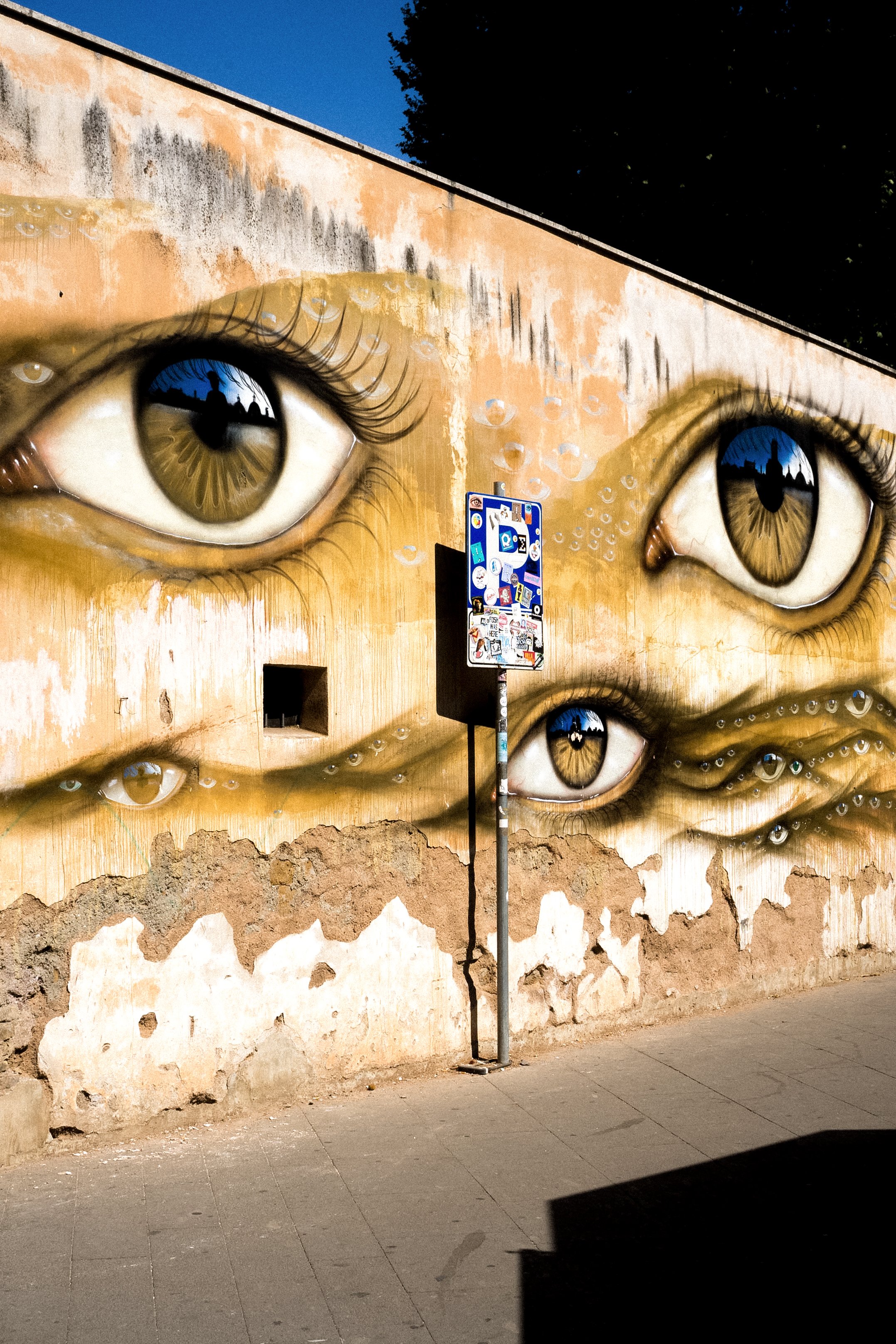
Early in the pandemic, society’s consensus to stop using coins or bills, despite being legal tender, further exacerbated the vulnerability of those experiencing homelessness. As businesses and even some government services adopted a no-cash policy, The Bank of Canada issued a statement asking stores to reconsider this decision, citing the restriction of payment options for many people. As our society becomes more digital, there is a significant portion of our population (who often make low-value transactions) that will not benefit from this drive toward “convenience and accessibility.” Collectively, we risk violating their freedom of autonomy, human rights and dignity, and food security. Eventually, as understanding about the risk of COVID transmission evolved, the pandemic measures loosened and merchants began accepting cash again. When I brought up this topic with Graham, he looked down, sobered. “That time was really bad.” I didn’t pry further.
In the aftermath of COVID, limited options for the homeless to spend (or earn) money, unsafe and precarious housing, along with high anxiety and stress from the global catastrophe exacerbated mental health problems and illness.Towards the end of summer, Graham mentioned the nights getting colder, and how he’d likely have to head to a shelter that weekend. He seemed resigned and subdued. Around that time, he also started asking for food. I didn’t always say yes, and he was always understanding. But the realization of how dire his situation was became hard to compartmentalize, and I was worried I would traumatize myself or make his plight worse if I continued to remain involved.
During one of our talks on his bench, midday on a Friday, Graham clearly appeared to be suffering from sleep deprivation. I’d intentionally set aside the afternoon to spend time with him, and bought him a roast beef melt and bottled water. Though he made a concerted effort to sit up straight while eating, he eventually slumped into a corner of the bench. Our conversation was scattered and disjointed, with Graham occasionally nodding off.
The many questions I had been accumulating, yet never feeling it was the right time to ask, resulted in deep frustration within me. I felt completely useless, struggling with what was the most compassionate response. Sometimes in my mind I would accuse Graham. Why have you not overcome your problems? Am I being completely manipulated, taken advantage of for my kindness? Other days, I was angry at the world. Why do people nit-pick you sitting here, and where are the people trying to solve the complex, systemic issues within our city?
The afternoon he cried was one of the last times I saw him. After wiping away his tears, he said he was heading to Scarborough in just over a week. It was unclear to me why he was heading there—I hope I heard correctly that he was being provided some form of support. But his demeanor had completely changed.
A few weeks prior, he had mentioned plans to stroll down Lakeshore, to spend a sunny Saturday afternoon. He seemed in good spirits. Now, all I could see was his suffering, his vulnerability due to his age, and his high degree of risk. I saw him briefly two more times, and then he was gone.
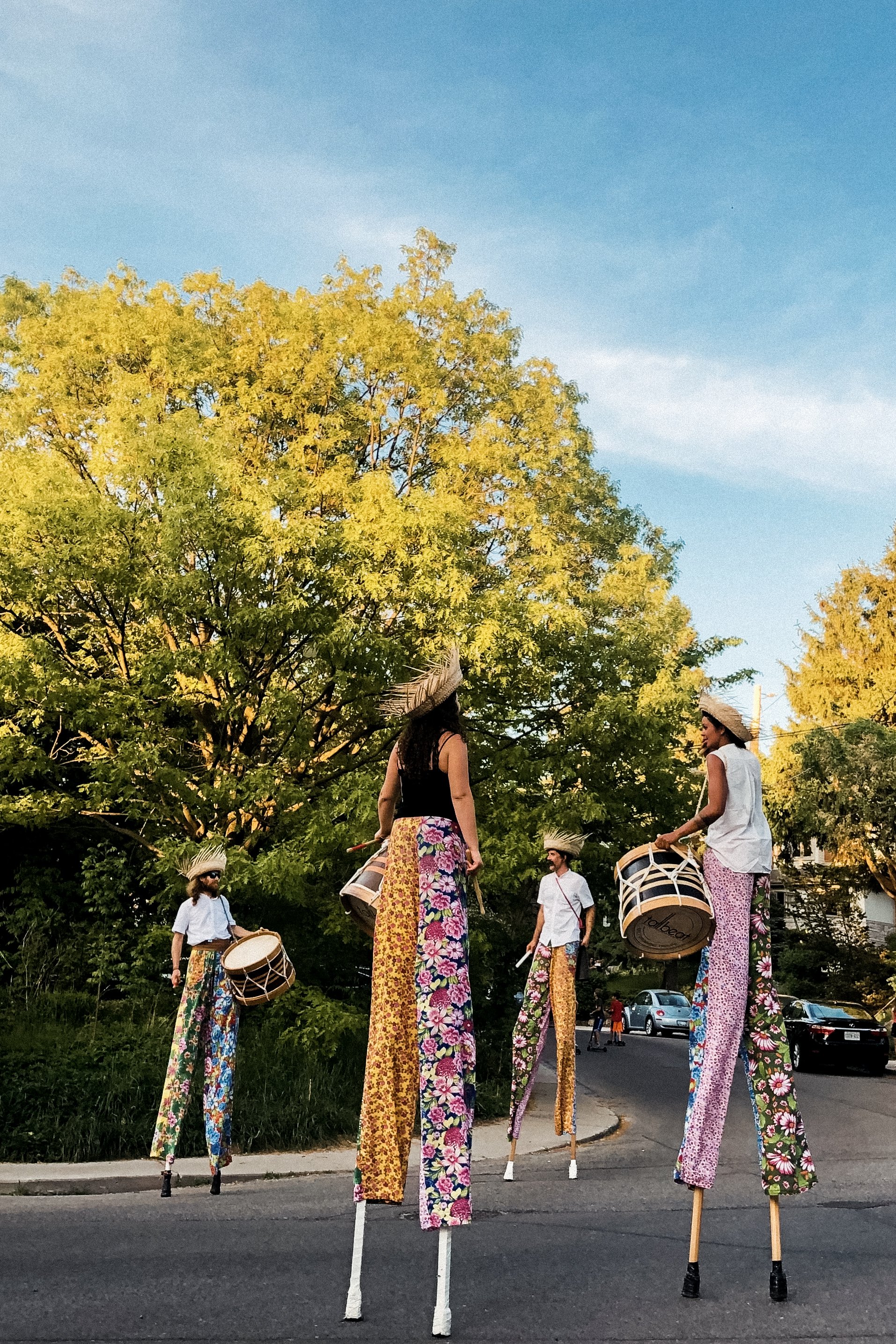
High Park has almost returned to its cultural vibrancy from pre-pandemic times. As I run errands these days, I am jostled along in the hustle and bustle, and gripe about waiting in lines again. New businesses have opened and I’m heartened to see people choose from a diverse selection of food options, catch up with old friends, celebrate missed anniversaries, get dolled-up for awkward first dates. However, this new social milieu has meant I’m no longer being as intentional in focusing on those experiencing homelessness. And despite stories of healing, the world still feels very dark. Because of this brokenness, there is an edge I am acutely aware of now within myself. This edge compels me to run to the cross daily, to seek community and help to rule over the apathy which threatens to consume me.
For all the supposed mercy I managed to spare, it was Graham’s curious and non-judgmental nature, frank candor, and vulnerability which indicts my spirit, conscience and assumptions of my own apparent goodness. I have only escaped troubles by God’s grace, and I carry the unsettling thought that how I have tried to claim the role of “Good Samaritan” while safe within my comfortable social sphere will be turned on its head. I am challenged by the remembrance that I cannot organize everything within my environment in the ways society conditions me to. By trying to empty my mind of clutter, I know I have also emptied out the life stories of those with life circumstances that are too complex and difficult.
Through the time spent with Graham, I have learned what active faith means, at least in small ways. I am designed to perform good deeds, without necessarily understanding the reasons and outcomes of them. I’m convicted to wrestle with this tension in my own life. How can I care for the most vulnerable within our community? And what will any of that mean when there is often no recognition and no complete solution to the issue of homelessness? The poor will always be among us.
Winter is here now, and I impatiently wait for my dog to sniff the bushes and do her business before I hurry back inside. When I am cold, I hunker down on my well-worn couch and wrap myself in blankets. The dog awkwardly splays on my lap, the cat snoozes on the armrest, the husband’s feet intertwine with mine. When I am suffering, I am not always thinking about those who sit on the ground. But as far as I know, Graham is still out there.
On extremely cold nights, I wonder if he’s safe, if he made it to a shelter that wasn’t at max capacity. I’d like to think he’s found a new bench to call his own. I hope he’s found someone willing to stop and converse with him who has a broadened and informed perspective on the complexities of being homeless within our city, who would be able to help him in the ways he truly needs. But his life is not a story.
Sometimes I scan my neighbourhood when running errands. Every now and then, I see a tousled mop of hair, peeking above one of the cold metal benches. It’s never him. Maybe he’ll be back in spring, I say to myself, for comfort.
Text: Tammy Storey
Photography: Ryan Saballa