Dumplings
Disconnected from our cultural legacy by my family’s attempts to assimilate, I found a belonging that transcends culture.
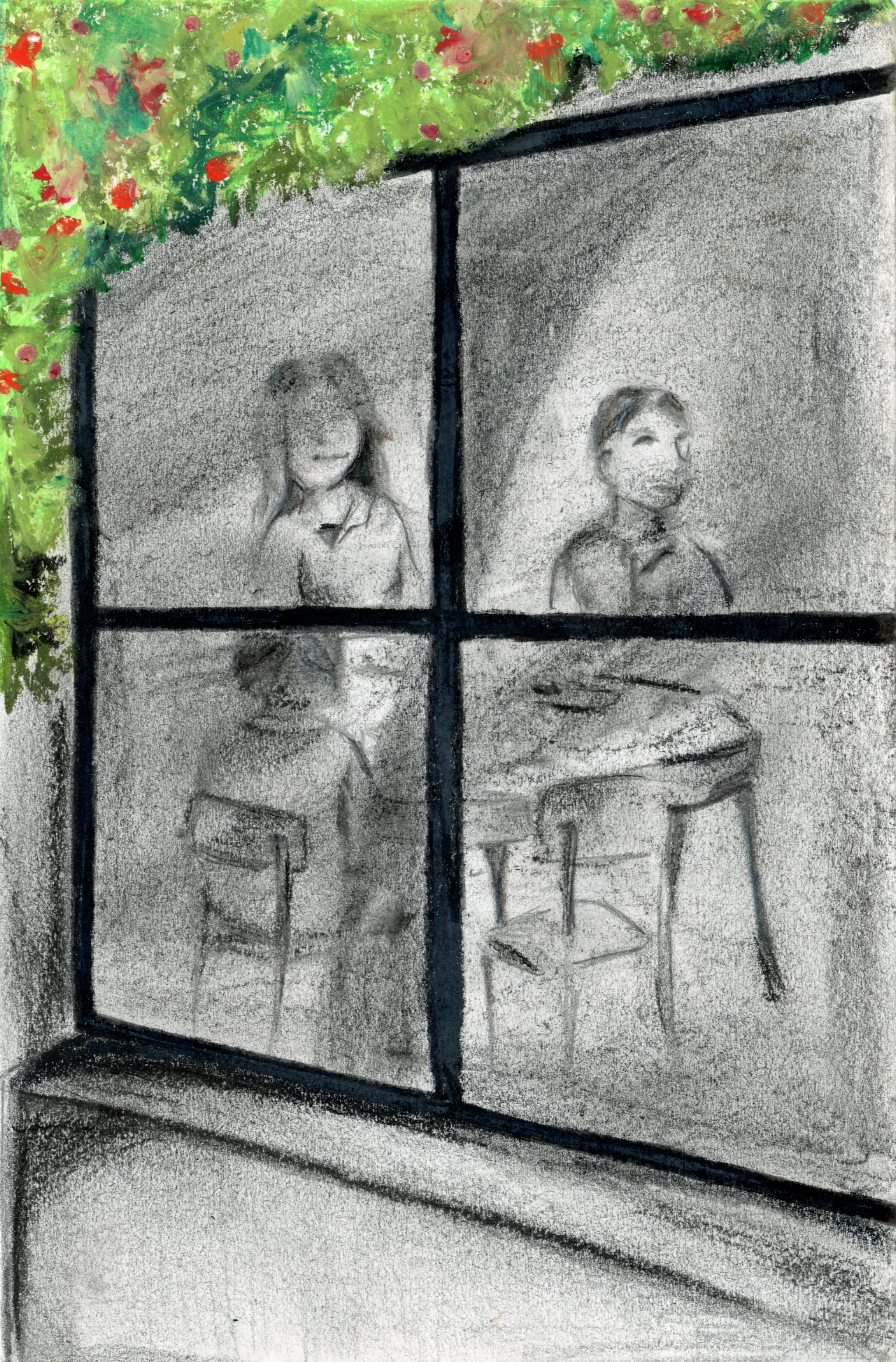
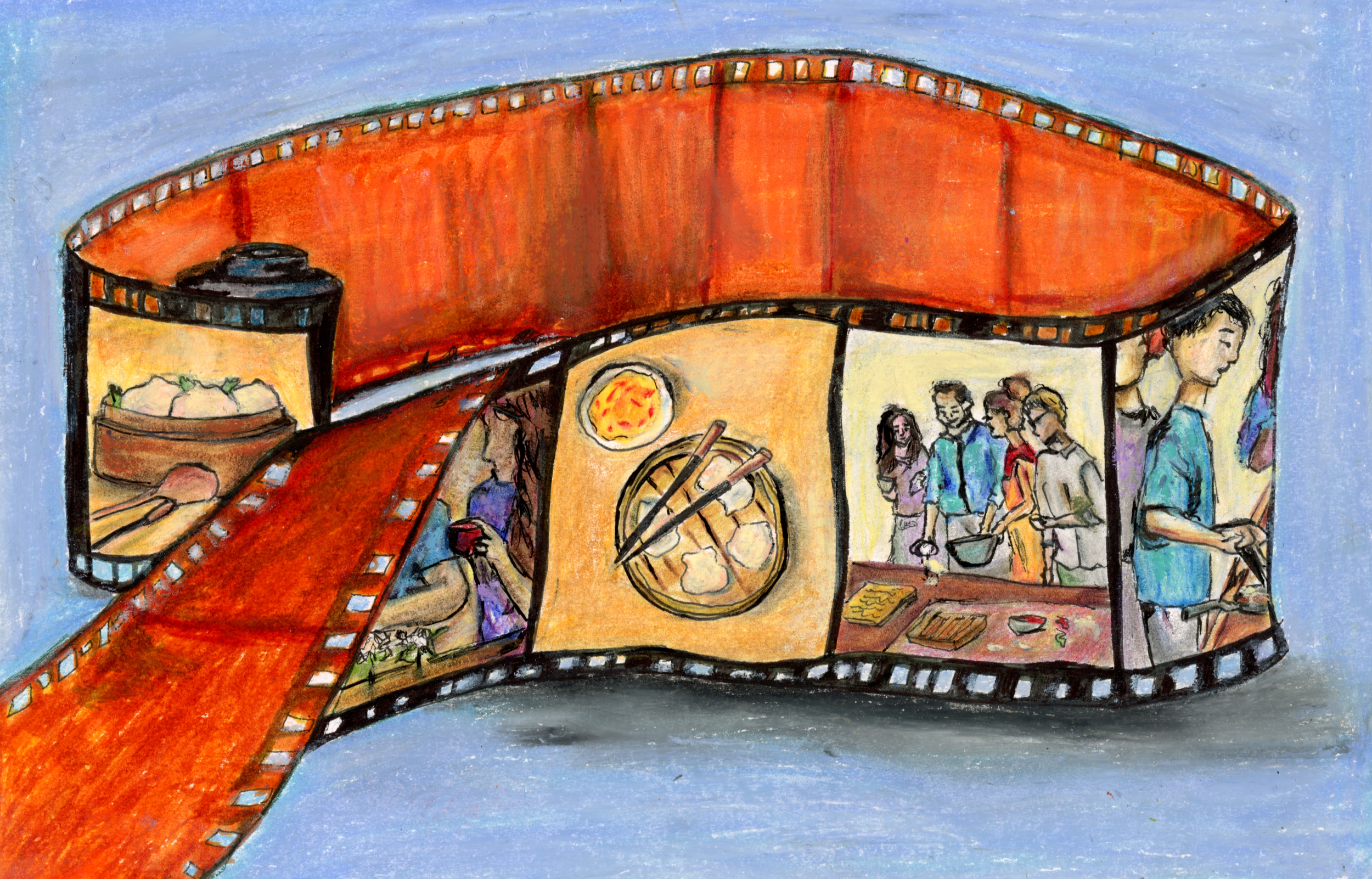
“What about your family?” I’m asked suddenly. The group of other Chinese folks all turn to me expecting me to answer similarly to what they’ve already shared. “I . . . never really did this with my family. We didn’t do a lot of traditional Chinese things growing up,” came the words, timidly, out of my mouth. I don’t elaborate any more and no one asks me to. I don’t share about how as an immigrant from Hong Kong, my dad tried to eradicate anything that would set us apart from our white neighbours, including cooking Chinese food. My grandma would try to cook traditionally, since that’s all she knew, but oftentimes faced harsh backlash. It became almost taboo to attempt activities that reminded us of our Chinese heritage. The others in this dumpling-making workshop just nod their heads politely and continue the conversation, talking about something else. As I look past them, I see the air shimmer as the steam from the pot escapes in constantly dancing wisps, emerging with little ‘pops’ as the steamer strains to keep its head on while fighting the boiling water below it. The front window is fogged up but anyone looking in would still be able to see the signs of a Lunar New Year event: cut-out paper rabbits, festive red banners, and the faces of East Asian people huddled around a kitchen counter making new memories while reliving those in their past. This dumpling-making workshop reminds them of how previous generations would also sit around a cramped table using their hands to form this tradition. Culture and history were all enveloped in a palm-sized dough wrapping. This was something that I longed for but never had.
After the spotlight has long moved off me, I still felt that lack of rootedness and foundation of who I was growing up remained. Never feeling truly Canadian, but also not completely Chinese. As I look at the misshapen dumpling I had just made, it reminded me of myself. Looking at it, you would know it’s a dumpling but somehow it didn’t quite fit in with the others. My wife had shared just before me, talking about her strong cultural history. Her grandfather had worked as a cook among workers on the Canadian railroad and she could trace back to him food and recipes which have been passed down through generations. This lineage made me question what my own history was. I felt like there was a not-so-secret club of my other Chinese friends who knew all about their history and culture, but somehow I had lost my invitation.
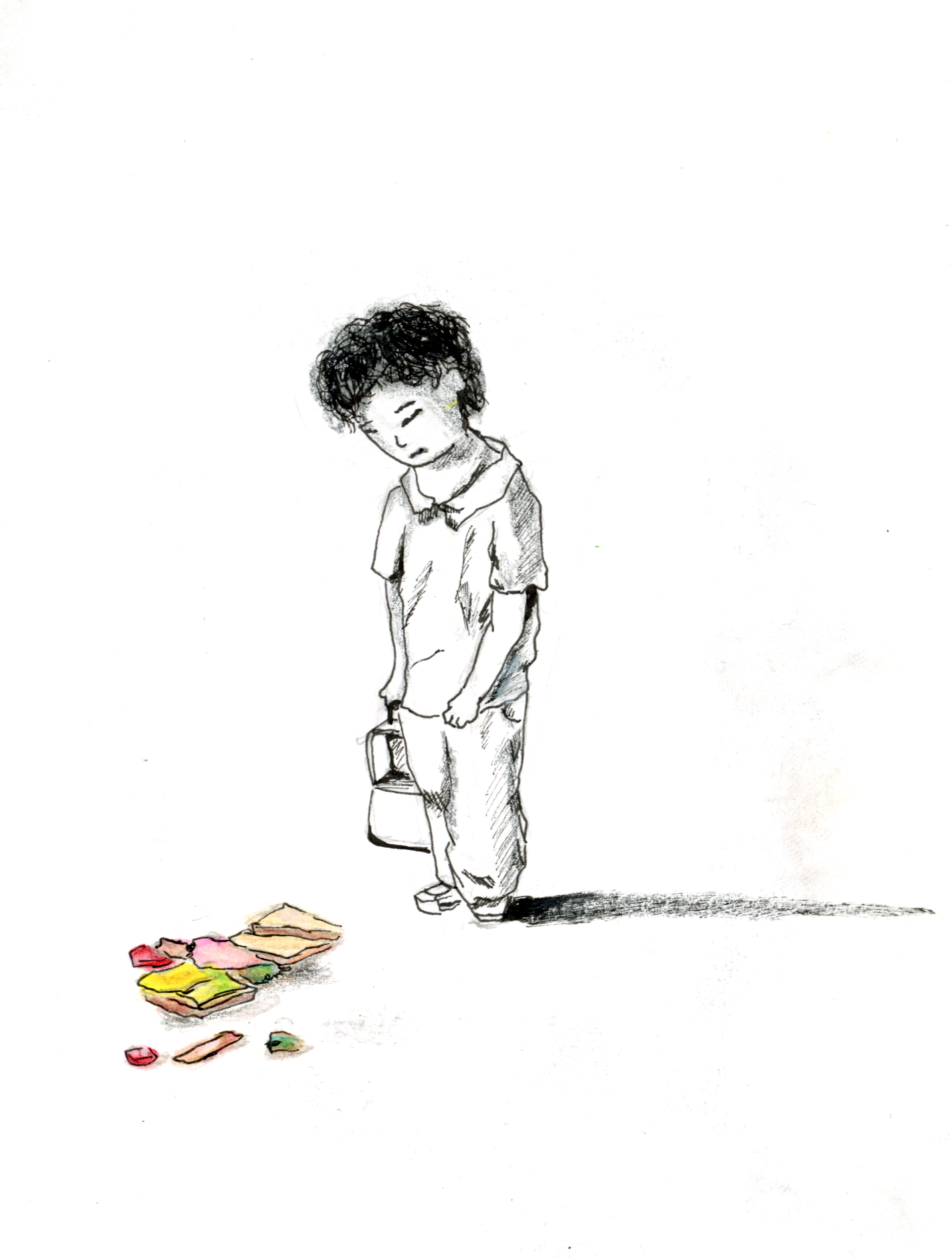
Looking around the room with all the decorations showcasing Lunar New Year: the red, the festive posters, the unabashed East Asian-ness of it all, I thought about all the times I had looked around my home as a kid, never seeing this kind of cultural boldness displayed. Our bare walls left me try to fill in the blanks of my culture with North American (white) culture and media. American TV shows like Arthur, Boy Meets World, or even Malcolm in the Middle, filled my mind with ideals and expectations of what a family could look like. When I went to the houses of other kids who were white, I saw how they were living and I felt like my family wasn’t ‘cultured’ enough, wasn’t ‘white’ enough. I tried to assimilate myself into Western culture as much as possible: speaking minimal Chinese, demanding to have ‘white’ lunches of ham sandwiches, and consuming as much North American media as possible. Yet, over and over again, I would be reminded, through subtle and sometimes not-so-subtle hints and comments, that I actually didn’t belong in the ‘white’ culture either. I felt empty. Alone. I was alienated, and longed for my sense of heritage and culture to extend beyond my immediate family. I wanted some sort of legacy that I could carry on. Instead, I was merely a dumpling shell with nothing inside.
Move forward from when I was standing in a semi-circle of dumpling makers and I am now sitting in a tight semi-circle formed each week by my small group members from church. In this small group meeting, I share my testimony about why I became a believer: words that come out of my mouth include “sin,” “God,” “salvation,” “repentance,” and “from the beginning.” As part of our testimonies, we were asked to share a Bible verse. The one that I picked was from Philippians 3, where Paul talks about how in his culture he was deemed one of the elite, the best, a “Hebrew of Hebrews.” Yet, he counted his status within his culture as “rubbish” for the sake of knowing Christ. In other words, how he was seen and his place within his culture all meant nothing once Christ made him his own. This verse reminds me that we exist beyond our cultures, our histories, and legacies that our families may or may not have passed onto us. Through Christ we move beyond what worldly culture we belong to. He was there from the beginning of the world where there was no culture and will continue to be there long after the last cultural shift ends.
As I raised my head up from my Bible, I saw faces from around the world, leftover food on the table that was a mishmash of cuisines (today happened to be dumplings), and I saw how each person has their own cultural ‘history.’ Sitting around the cramped table, there was a comfort in knowing that, despite all of our differences, we shared something greater than our individual cultures and lives: Christ. It was through this belief in how God sent his son to die on the cross for us that gave me more in common with the faces at that table than being in a room with people who looked the same as me. I felt a warmth and comfort with them similar to when I eat a dumpling, no matter its shape. When that sense of cultural emptiness surfaces randomly through seeing certain festive decorations, hearing a comment made by my wife, or watching something on TV, I reminded myself of that feeling sitting around a table with my small group. The feeling that told me that I belong.
I still have the yearning to have those ‘Chinese’ experiences, traditions, and memories that were never formed. I still wish that I was able to share my own dumpling story when asked. But now I know that my family culture isn’t the only heritage I belong to. I belong to an even greater heritage that goes back to the beginning of time.
Looking down, I saw a misshapen dumpling left on my plate after finishing my testimony. Without hesitating, I popped it into my mouth and let it become part of who I am.
Text: Kan Cheung
Art: Bettina Oghinan